Elope in Norway - quietly, far from the crowds
For couples who want to skip the crowded viewpoints and actually experience Norway — with an elopement photographer who knows where to go.

"Coming from Australia, we hadn’t the faintest idea of what to expect, only a very brief vision in mind of what we wanted from the day.
Although we didn’t really know where to start, Jaakko somehow knew exactly how to turn that vague vision into a reality and even more."
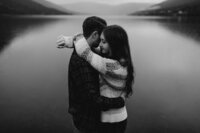
Trylani and Jerone eloped near Bergen in 2025
Norway elopement photographer who travels all over Scandinavia — two-time Junebug Best of the Best winner, IWPOTY finalist, featured in Rangefinder and Huffington Post.

I grew up in a small town, the kind of place where you ski to school and nobody thinks it's unusual. When I was a kid, we used to travel every weekend to orienteering competitions — so running through forests with a map and a compass, trying to read the terrain, became a lifestyle. Turns out that's pretty useful when you're scouting locations for a living.
I believe your elopement should be about you and what connects you. I'll help you make it something that feels genuine and real.
I'm an elopement photographer working across Norway
Updated February 9th, 2026.
100+
114 days spent outdoors in Norway in 2025.
300+
300+ couples I’ve helped feel genuinely present on their wedding day.
22
22 nationalities I've helped to elope. Turns out love doesn't need a translator.
My favorite regions in Norway
Location ideas for Norway


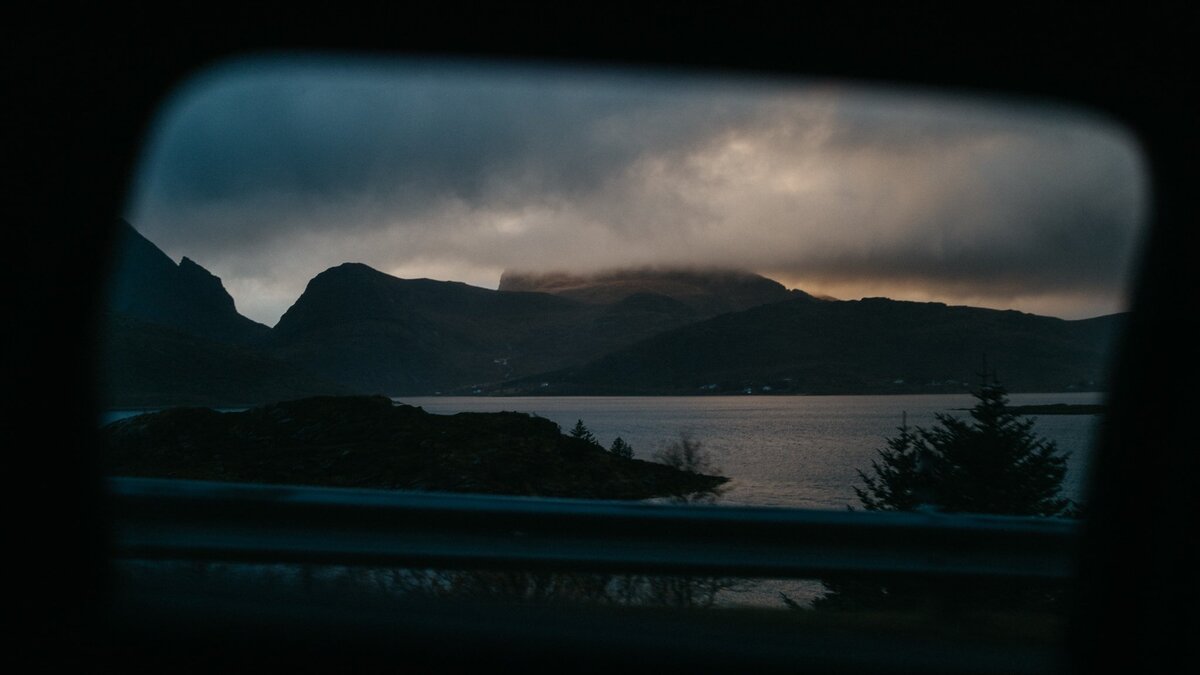


1. Northern Norway — Lofoten, Lyngen Alps, Senja...
Northern Norway is one of the last places in Europe where the landscapes still feel genuinely vast and untouched. Between the Lyngen Alps and the quieter corners of the Lofoten islands, you'll find mountains that drop straight into the sea, fjords that don't show up in any guidebook, and roads where you won't pass another car for an hour. Some areas have gotten busier over the years, but if you know where to go and when, there are still so many places that feel completely yours.
If you do want to experience quiet places and not the crowds of Lofoten, please do yourself a favor and check out also locations like Senja and Skjervøy.


2. Romsdalen & Sunnmøre
If Northern Norway feels like the edge of the world, this region feels more like a secret that got out slowly. The landscapes are just as dramatic. Waterfalls around every corner, mountains rising straight from the fjords.
Åndalsnes is one of my favorite places to start. It's called the mountaineering capital of Norway, and honestly, you'll understand why the moment you drive into the valley. Trollveggen, Europe's tallest vertical rock face, just towers above you. The waterfalls seem endless. You don't need to be a climber to fall in love with it. A short hike to Rampestreken (my record is 24min) gives you incredible views, and the whole area feels big and wild without requiring a huge physical commitment.
And then there's Hjørundfjord. Honestly, it might be the most underrated fjord in the country. Surrounded by the Sunnmøre Alps, these sharp peaks rising straight out of the water, but without the cruise ships you'd find in Geiranger. I keep coming back here because it still feels like a place you have to discover for yourself.


3. Western Norway
Vestlandet is where you'll find Norway's biggest fjords. Sognefjord, Hardangerfjord, the names you've probably seen in photos. And honestly, the scale of everything here is hard to describe. Massive fjords, massive mountains. It hits differently when you're standing in the middle of it.
The region is a bit easier to navigate than the north. More roads, more services, more options if you want a nice dinner after your elopement day. It can feel a bit less secluded, but for some couples, that's exactly what they want. I love the quiet corners of Aurland, where you can get away from the viewpoints everyone else is visiting. If you've heard of Flåm or Stegastein, keep searching. There are so many beautiful places nearby where you won't feel like just another tourist.
If you're coming from abroad and want easier access, Vestlandet makes sense. Bergen is right there, the infrastructure is good, and you can still find places that feel wild and untouched. You just have to know where to look.
What is the best time to elope in Norway?
Honestly, autumn might be my favorite. The light gets softer, the air cools down, and the tourists start to disappear.
I've noticed a lot of my couples are drawn to this season. There's a stillness to it. Things feel slower, more atmospheric.
And you don't have the short days of winter yet, so there's still plenty of time to explore.
Autumn (September–November)

Summer gives you the most options. Long days, easier travel, more flexibility. You can fit a lot into one day without it feeling rushed.
That said, it's also when the crowds show up. I've seen popular spots completely packed by mid-morning.
If you want quiet, we have to be intentional about timing and location. It's absolutely possible, it just takes more planning.
Summer (June–August)

Norway in spring can be unpredictable.
Snow still lingers in the mountains while the valleys are starting to open up. Some roads are closed, some are muddy, and conditions can change fast.
But the pros...the landscapes feel raw and untouched. The trails are empty. You'll have entire mountains to yourselves. perfect season for you.
Spring (April–May)

Winter means short days and a small window of light.
You won't be rushing around to five different locations. Most days revolve around one place, and honestly, I think that's part of what makes it special.
On some nights, the northern lights show up. But I always tell couples to treat that as a bonus, not something to build the whole trip around.
Winter (December–March)

I’m not sure there’s a single “best” time to elope in Norway. What changes most isn’t the scenery — it’s how the day moves, how much energy things take, and how flexible you need to be.
What Actually Makes Eloping in Norway Feel Different

If you've spent time in Norway's nature, you've probably noticed that many trails aren't clearly marked. For me, that's part of the appeal. You have to pay attention to your steps. It feels more organic. And because not everyone wants to hike that way, it often leads to quieter, more secluded places. But don't worry, I'll be there to guide you.
Not every path is marked — and that's okay

Sure, some of the most beautiful places here get crowded for a few months during the year. But there are also places where you can spend the whole day without seeing anyone else. Some mountains are quite steep, but if you hike for 20-30 minutes, you get some fantastic views. Pretty unbelievable compared to many other countries.
Norway is incredibly unique but still secluded

I get that some people dream of a clear sunny day. But honestly, in Norway, the not-ideal weather looks better than "a perfect day". A little rain, a sudden fog rolling in, light breaking through when you least expect it. It makes everything feel cinematic. More real. More yours. More like a story you want to tell your friends and relatives.
The weather is part of the story
Rachel and Andrew eloped in Norway in 2025

This part starts the moment you book. I'll send you my elopement guide, we'll talk through your hopes and ideas, and I'll help you shape a day that actually feels like you. Lodging recommendations, vendor suggestions, activity ideas — I've done this enough times to know what works and what doesn't.
GUIDANCE IN NATURE
I scout every location myself. Not just on apps, but in person — hiking, checking conditions, finding the spots that feel right. On the day, I'll guide you calmly through the landscape. And I always have backup plans, because the weather sometimes has a mind of its own.
PHOTOGRAPHY & DELIVERY
Experience over photos, always. The images come from the real moments, not the other way around. Sneak peeks within 48 hours, full gallery within eight weeks. All travel included. No hidden fees.
Norway Elopement Packages for 2026-2027
What's included
I don't just show up on your elopement day. I'm there from the beginning — helping you figure out the location, recommending where to stay, helping with vendors, the timeline, the little details that turn a day into a story.
(Ranges between €5,800 – €12,800)
4-hour, 8-hour, full-day, multi-day, and custom packages available.



international awards and features




by submitting this contact form you confirm that you have read and agree to my privacy policy.
submit
Just a few details — this takes less than a minute.
If any of this feels like what you're looking for, I'd love to hear from you
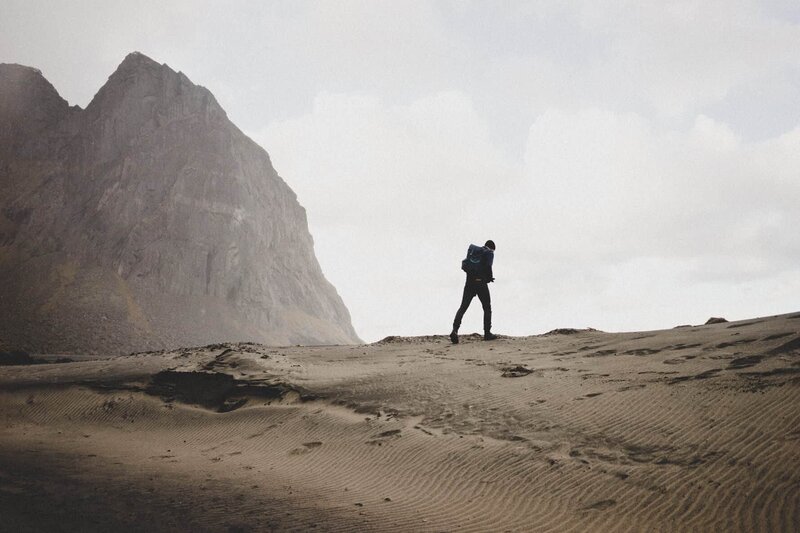
inspiration & ideas for your elopement
Real Stories from Real Norway Elopements


read more

A Mountain elopement near Tromsø | Rachel and Andrew
read more
Intimate wedding in the Lofoten islands | Lindsie and Danielle
read more
Senja Island elopement | Jessica and Wah-Sing (coming soon!)
frequently asked questions about eloping
Yes. Some guides say otherwise, but honestly, it's mainly because they don't want to deal with the paperwork.
There are a few documents required, and the approval process takes some time, but it's absolutely possible. Many of my couples choose this option, especially if they want the legal ceremony to happen in the landscape itself.
It's simpler, and it gives you more freedom with where and how things happen. Both options are equally meaningful. The commitment isn't defined by paperwork. It's defined by the promises you make and the moment you share.
I don't handle the paperwork directly, but I'll make sure you have the right information so you can plan your day, legal or symbolic, without stress.
Absolutely. That's actually one of my favorite parts.
I don't have a list of "elopement spots" that I send to everyone. Most locations come from conversation — what draws you, how you want the day to feel, what kind of landscape are you dreaming of. Then I recommend locations that most people never find.
I spend a lot of time on maps, a lot of time driving, and a lot of time hiking to places just to see if they're worth it. Many of the locations we end up choosing are places where no one has eloped before. It's more work, but it means your day actually feels like yours.
That said, the best spots aren't always the most accessible ones. I look for places that feel a bit hidden — whether that's a 10-minute walk or a longer hike. What matters is that it feels right for you. If you love hiking, we build that in. If you don't, we find another way. The day is shaped around your pace, not the other way around.
Yes, and honestly, this is probably what I spend the most time on.
I don't just pick locations that look good. I think about timing, about which direction people come from, about when a place is empty and when it's not. Sometimes it means arriving at a specific time. Sometimes it means choosing somewhere that's a bit harder to reach. And 99% of the time, it's a place I've never taken anyone before.
Privacy isn't luck. It's planning. And it's something I take seriously because your ceremony should feel like it belongs to you, not like it's happening in public.
Completely normal. Most couples I work with feel that way at first.
Here's the thing — I'm not going to pose you or direct every movement. That's not how I think the most meaningful photos happen. Instead, I try my best to create moments where you can be fully present with each other. It's more about putting your mind in the right place, not about where you put your hands.
When you're fully present with each other, the photos take care of themselves. That's what I mean by experience over photos. The feeling comes first, and the images grow out of it.
From the beginning, I plan with the weather in mind — choosing places that work in different conditions, keeping the day flexible, and always having options if plans need to shift.
And honestly, that’s part of why I love living here so much. Not despite the weather, but because of it. The north is at the mercy of the elements, and the day finds its rhythm around that — not the other way around.
Mist, wind, light rain — they change how a place sounds, how you move through it, how time stretches. Grey skies can soften everything. Rain can slow the day down. Some of the most meaningful moments I’ve witnessed happened when the forecast wasn’t ideal.
You don’t need to carry that worry with you. I take care of it, so you can stay with what’s happening instead.
Still wondering if this would be for you?
Then just click here to connect


Norwegian wedding traditions you could borrow for your elopement
Top 10 Airbnb Cabins in Norway for Couples
The best small wedding venues in Norway
Keep Planning Your Norway Elopement
How to make your elopement extra special

Norway hiking proposal guide

Planning Your Northern Lights Wedding: Everything You Need to Know

The best treehouses in Norway